
Neurological speech problems in Abu Dhabi
Evaluation and treatment of speech disorders related to the nervous system at AHLI Specialists Medical Center - Al Shamkha
Has speech become slurred or slurred after a stroke or injury?
Does your child have difficulty moving the tongue or lips to produce speech?
Is speech slow, labored, weak, or unintelligible even though the person knows what he or she wants to say?
Is there difficulty coordinating breathing, voice, and pronunciation while speaking?
Does the family have difficulty understanding the speech of the child or patient due to a neurological or motor problem?
Neurological speech problems are disorders that affect speech production due to a defect, weakness, or difficulty in the nervous control of the muscles responsible for speech, such as the tongue, lips, jaw, larynx, and breathing. It may appear in children due to developmental or neurological conditions such as cerebral palsy or delayed motor control of speech, and it may appear in adults after strokes, brain injuries, nervous system diseases, or some other medical conditions.
At AHLI Specialists Medical Center in Al Shamkha - Abu Dhabi, we provide specialized evaluation and treatment for neurological speech problems within speech and language therapy services, with an individual plan that helps the patient improve speech clarity, regulate breathing and voice, increase the ability to communicate, and use alternative or supportive means of communication when needed.
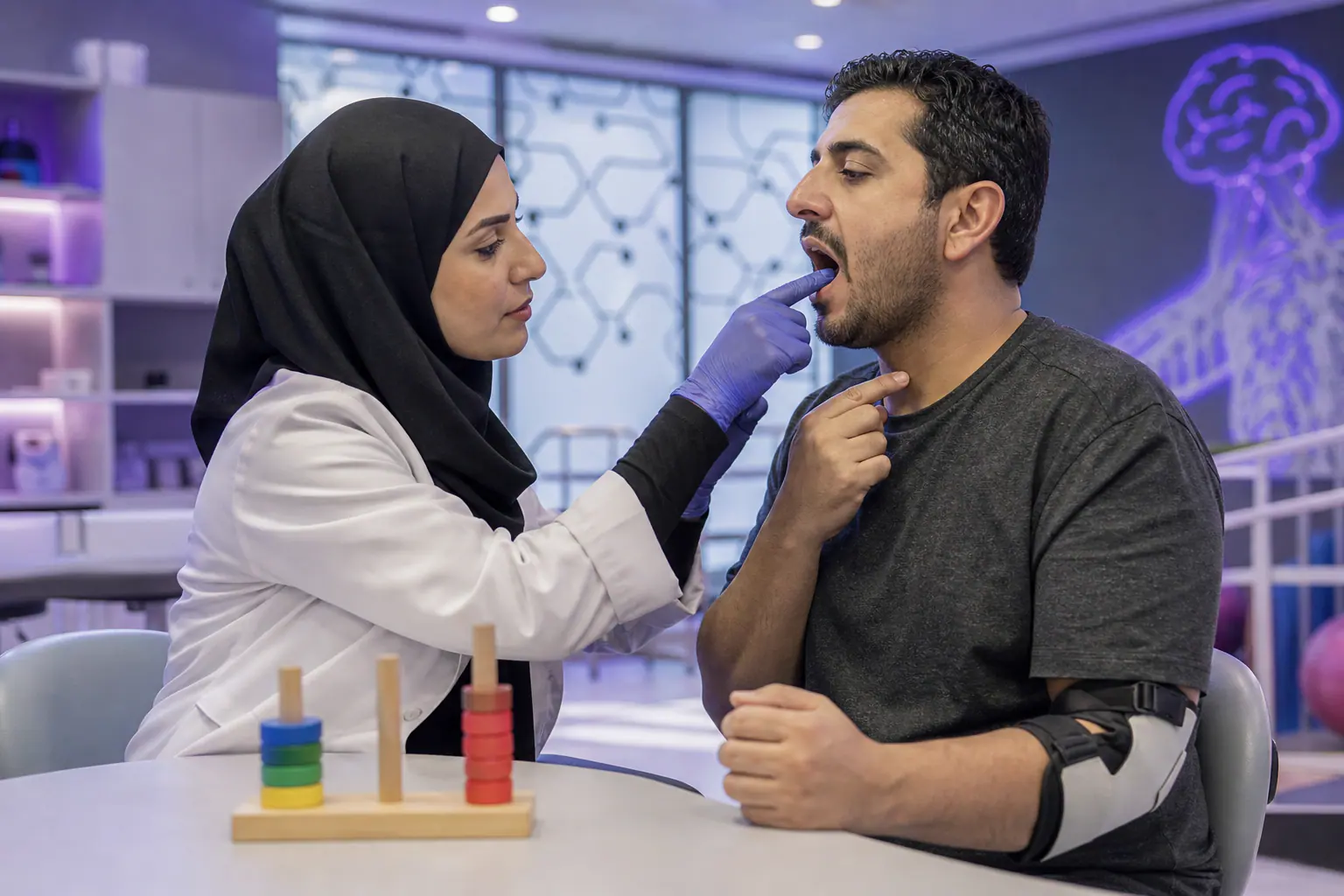
What are neurological speech problems?
Neurological speech problems are speech difficulties that occur when the nervous system or the pathways responsible for planning and executing speech movements are affected. Speech requires precise coordination between the brain, nerves, muscles, breathing, voice, tongue, lips, and jaw.
A person may know what he wants to say, and his thoughts may be clear, but he cannot deliver the words with the same smoothness or clarity. Sometimes the problem is muscle strength, sometimes speed of movement, and sometimes planning the movements needed to speak.
The goal of therapy is to improve practical communication in daily life, not just to practice letters within a session.
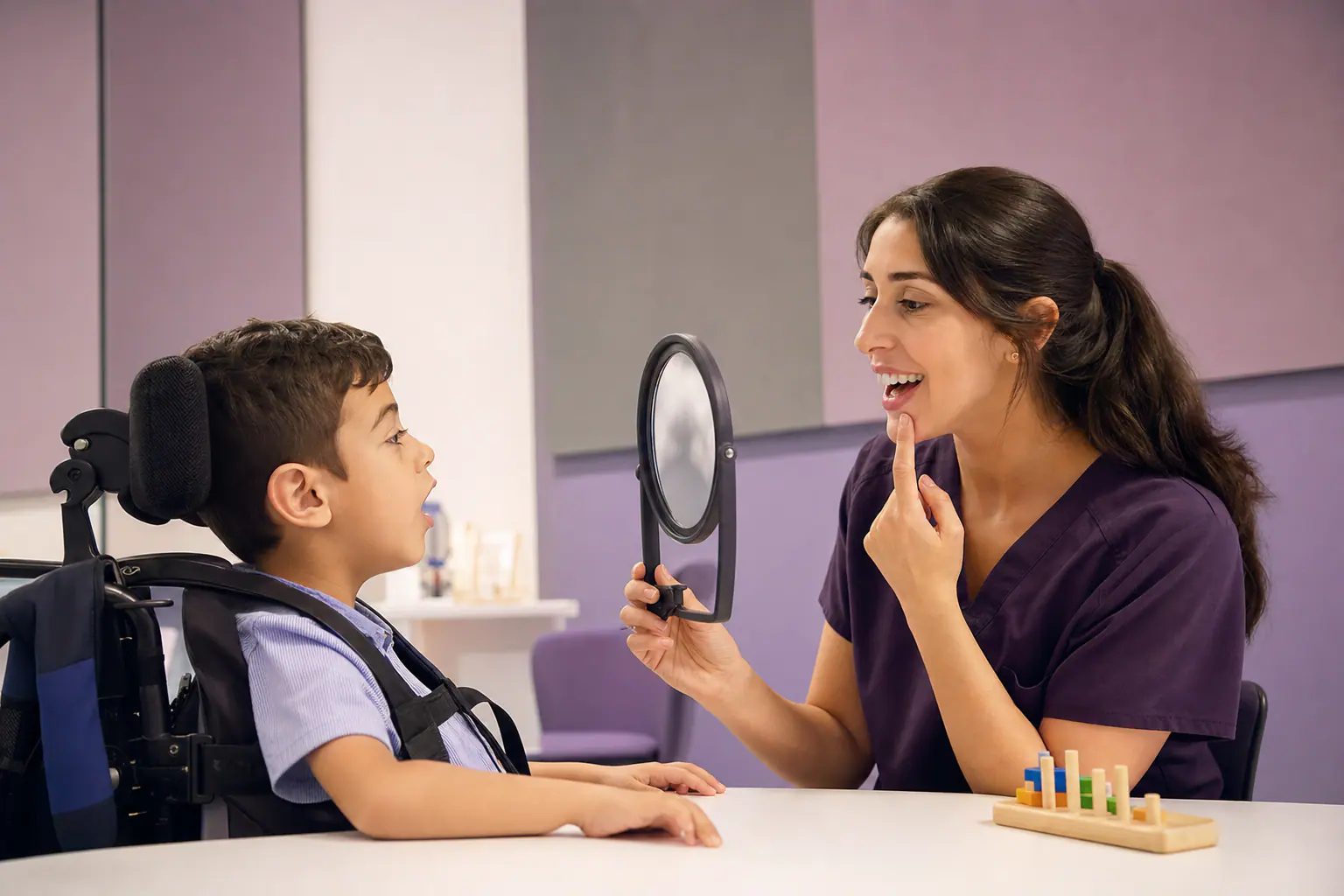
Types of neurological speech problems
1. Dysarthria
A speech disorder caused by weakness, slowness, or asymmetry in the muscles responsible for speech. It may affect breathing, voice, resonance, articulation, and speed of speech.
- ✓ Slurred or unclear speech
- ✓ Weak or low sound
- ✓ Slow or very fast speech
- ✓ Unclear or inaccurate speech
- ✓ Tired while speaking
It may be associated with cerebral palsy, stroke, brain injury, Parkinson's, multiple sclerosis, or other neurological diseases.
2. Apraxia of speech
Difficulty planning and organizing the movements necessary for speech, even though the muscles may not necessarily be weak. The person knows the word but has difficulty arranging the correct movements.
- ✓ Repeated attempts to reach the word
- ✓ Inconstant errors in the pronunciation of the same word
- ✓ Greater difficulty with long words
- ✓ Hesitation before speaking
- ✓ Words that require a lot of effort
It may appear in children or after a brain injury or stroke.
3. Speech disorders after strokes or brain injuries
Difficulties with both speech and language may occur. It is important to differentiate between a problem with speech production, language comprehension, memory, and voice or swallowing.
Specialized evaluation helps determine the nature of the problem and develop an appropriate plan.
4. Speech disorders associated with cerebral palsy
Difficulty controlling speech muscles due to muscle tension or poor motor coordination. It may be accompanied by difficulties in swallowing, controlling saliva, or voice.
Treatment focuses on speech clarity, breathing regulation, communication support, and family training.
5. Speech difficulties associated with neurological diseases
It may appear with Parkinson's, multiple sclerosis, nerve and muscle diseases, or conditions that affect motor control.
The patient may need a continuous or gradual treatment plan depending on the development of the condition.
What is the difference between a neurological speech problem and letter pronunciation disorders?
Speech disorders may be a problem in learning a specific sound, while neurological speech problems are often related to the nervous or motor control of speech.
Sound pronunciation disorders
The child is able to speak in sentences, but changes or deletes some sounds — such as “tatt” for “book.”
Neurological speech problems
All speech is slurred, slow, labored, or changes depending on the length of the word and sentence.
Language disorders
Related to understanding and expression — the patient may know how to speak, but cannot find words or understand speech.
These problems may overlap, so the patient needs a comprehensive evaluation.
Signs of neurological speech problems
A child or adult may need a speech therapy evaluation if one or more of the following signs appear:
When is a speech problem a sign of an emergency?
If an adult or child experiences a sudden change in speech, especially with symptoms such as weakness on one side of the body, facial tilt, severe dizziness, sudden headache, confusion, difficulty understanding, or difficulty breathing, emergency medical help should be sought immediately.
You should not wait for a speech therapy appointment if the speech change is sudden or associated with severe neurological symptoms. Once the condition is medically stabilized, a speech and language therapy evaluation can begin.
Causes of neurological speech problems
- ● Strokes
- ● Brain injuries
- ● Cerebral palsy
- ● Brain tumors or neurological processes
- ● Parkinson's disease
- ● Multiple sclerosis
- ● Nerve and muscle diseases
- ● Degenerative diseases affecting the nervous system
- ● Certain syndromes or developmental conditions
- ● Injuries or disorders affecting the nerves responsible for speech
- ● Breathing, voice or swallowing is affected by a neurological condition
- ● Apraxia of speech in children
- ● Difficulties in motor planning for speech
The goal of the evaluation is not to make a neurological medical diagnosis, but rather to understand the effect of the condition on speech and communication, and then develop an appropriate rehabilitation plan.
How do neurological speech problems affect daily life?
communication
Difficulty communicating needs or ideas, and the need to repeat words.
the school
Avoid sharing, answering, reading aloud, or verbal play.
Work and social life
Difficulty in calls, meetings, and communication after a stroke.
Self-confidence
Frustration, shyness, or withdrawal when words are not easily understood.
Everyday safety
Difficulty asking for help or expressing pain in severe cases.
Family
The need to learn new ways of communicating and supporting.
Treatment aims to improve the ability to communicate effectively, reduce frustration, and support the patient and family.
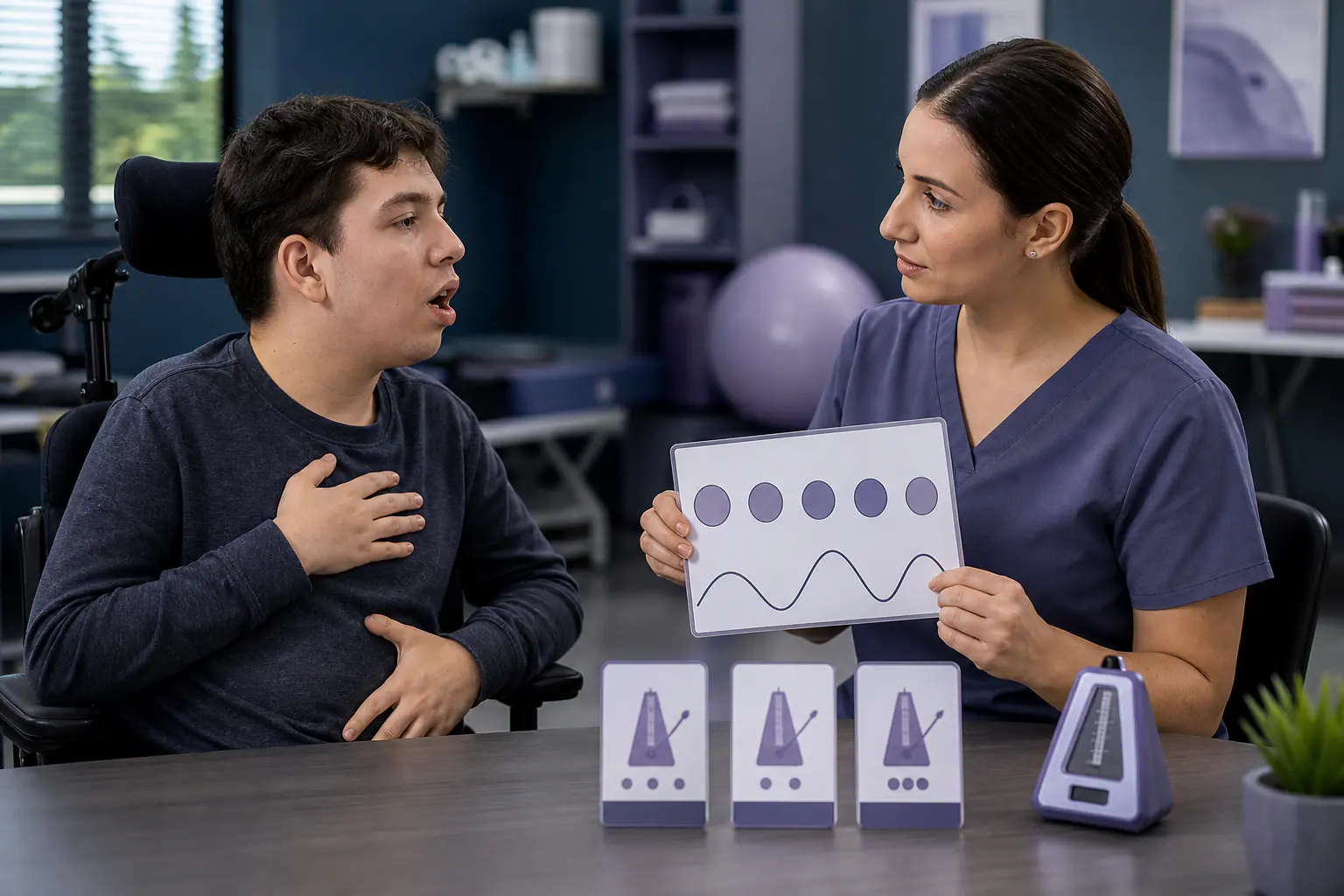
How are neurological speech problems evaluated?
At AHLI Specialists Medical Center, the evaluation begins with understanding the patient’s medical, linguistic, and motor history, then evaluating speech and communication skills in a structured manner.
- ✓ Know the cause of the problem or the date it appeared
- ✓ Did the problem start suddenly or gradually?
- ✓ Review available medical reports
- ✓ Evaluate speech clarity and speed
- ✓ Evaluate the strength and intensity of the sound
- ✓ Assess breathing during speech
- ✓ Evaluate the movement of the lips, tongue and jaw
- ✓ Evaluate the repetition of sounds, syllables and words
- ✓ Evaluate short and long words and sentences
- ✓ Note errors: Are they fixed or variable?
- ✓ Evaluate nasal resonance or voice quality
- ✓ Evaluate a person’s ability to communicate in conversation
- ✓ Assess language comprehension and expression when needed
- ✓ Note the presence of indicators of difficulty swallowing
- ✓ Identify the need for supportive means of communication
- ✓ Establish appropriate treatment goals
After the assessment, the results are explained to the family or patient: What type of difficulty? What can be improved? Do we need cooperation with the doctor or other specialties?
What happens after the evaluation?
After evaluating neurological speech problems, the appropriate plan is determined according to the patient's age, the cause of the problem, the severity of the symptoms, and his daily needs.
- ✓ Regular speech therapy sessions
- ✓ Guided speech exercises to improve clarity
- ✓ Training to regulate speech speed
- ✓ Training in using breathing and voice
- ✓ Strategies to facilitate speech understanding
- ✓ Alternative or supportive means of communication when needed
- ✓ Guidance for family, school or caregiver
- ✓ Evaluate swallowing if signs are present
- ✓ Referral or follow-up with other specialties as the case may be
The plan is not the same for everyone, but is built according to the person’s real needs in his daily life.
Steps to treat neurological speech problems
1. Determine the type of speech disorder
Dysarthria, apraxia of speech, posttraumatic language disorder, or a combination.
2. Setting practical goals
Improve clarity with family, asking for needs, participating in class, or talking on the phone.
3. Breathing control training
Improve breathing support for speech when needed.
4. Improve sound quality and intensity
Use a clearer, stronger voice in a safe way.
5. Improve pronunciation clarity
Work on sounds, words and sentences more clearly.
6. Regulating the speed of speech
Pauses, split sentences, or slow down the pace.
7. Motor planning training
From simple syllables to words and sentences in apraxia of speech.
8. Compensatory strategies
Shorter sentences, ensuring the listener's attention, signaling, or writing out important words.
9. Family training
Give time, do not interrupt, clear questions, and confirm the message.
10. Supportive means of communication
Picture boards, written words, apps, or assistive devices when needed.
Treatment of dysarthria
Treatment of dysarthria depends on its type, severity, and cause. The goal is to improve speech clarity or compensate for difficulty in practical ways.
- ● Breathing training to support speech
- ● Improve sound intensity
- ● Training slow speech and regulating speed
- ● Improve the accuracy of pronunciation of sounds
- ● Strengthening the clarity of syllables and words
- ● Practice short and clear sentences
- ● Use visual or auditory cues
- ● Strategies for communicating in noise
- ● Training the family to understand speech
- ● Helpful means of communication when needed
In some advanced neurological cases, the goal may be to maintain communication and prepare alternative methods.
Treatment of apraxia of speech
Apraxia of speech requires organized and repeated training because the problem is in planning the movements necessary for speech.
- ● Start with the easiest sounds or syllables
- ● Practice the sequence of sounds within a word
- ● Use structured repetition
- ● Use visual, auditory and tactile cues
- ● Training important words in a person's life
- ● Move from word to sentence gradually
- ● Use rhythm or division of syllables
- ● Reduce stress while speaking
- ● Train the family to support the attempt
- ● Supportive means of communication if speech is limited
Improvement requires time and regular practice, and varies from person to person.

Neurological speech problems in children
It may present with cerebral palsy, infantile apraxia of speech, neurological syndromes, developmental delay, or motor control difficulties.
- ● Obvious delay in speech
- ● Difficulty imitating sounds
- ● Speech that is not understood despite trying
- ● Difficulty moving the tongue or lips
- ● Varied pronunciation of the same word
- ● Clear effort when speaking
Treatment is through play, interaction, and repeated training, with the involvement of parents.
Neurological speech problems after stroke or brain injury
After a stroke or brain injury, a person may suddenly have difficulty speaking. Speech may be slurred, slow, slurred, or difficult to arrange words and movements.
- ● Difficulty understanding language
- ● Difficulty finding words
- ● Difficulty swallowing
- ● Weakness in the muscles of the face or mouth
- ● Change in voice
Speech therapy after a stroke helps retrain speech skills and offer alternative methods if speech is initially inadequate.
Supportive and alternative means of communication
In some cases, speech may be very unclear or limited. These communication aids do not replace speech; they help the person communicate while speech skills are being developed.
- ● Picture boards
- ● Word cards
- ● Ready-made sentences for daily needs
- ● Writing
- ● Communication applications on your phone or tablet
- ● Simple, agreed-upon signals
- ● Dedicated communication devices in some cases
Using these methods may reduce frustration and help the person express themselves faster and more safely.
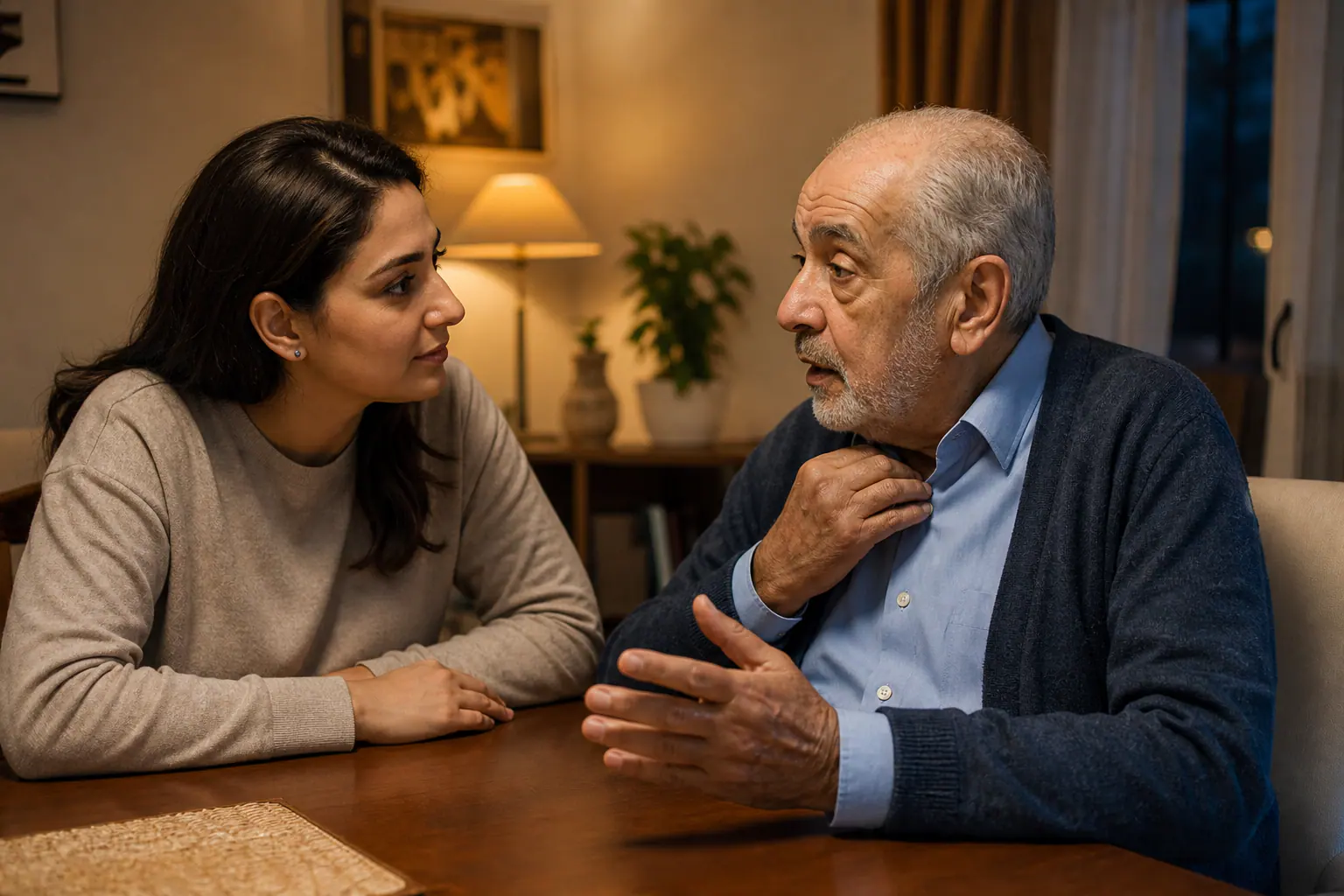
Do neurological speech problems improve?
Improvement varies depending on the cause, severity of the condition, age of the patient, time of starting treatment, patient and family commitment, and the presence of other health conditions.
- ✓ That speech becomes clearer
- ✓ That the patient can ask for his needs
- ✓ To be understood by family members more easily
- ✓ That the child participates in school
- ✓ That the adult can communicate in important situations
- ✓ That the family has a better way to communicate
Even when speech is not completely normal, communication and quality of life can be greatly improved.
The role of the family in treatment
- ✓ Give the person enough time to speak
- ✓ Do not interrupt him or finish talking quickly
- ✓ Reduce noise while talking
- ✓ Looking at him while speaking
- ✓ Ask short, clear questions
- ✓ Make sure the message is understood without embarrassing him
- ✓ Encourage trying instead of focusing on the mistake
- ✓ Use written words or pictures when needed
- ✓ Home exercises application
- ✓ Tell the specialist about difficult situations
- ✓ Collaborate with the school or caregiver
- ✓ Pay attention to any swallowing difficulties or health changes
Supportive communication from the family helps the patient feel safe and confident.
The relationship between neural speech, swallowing, and voice
Speech, swallowing, and voice rely on shared muscles and nerves. The specialist should be told if the person suffers from:
- ⚠ Cough while eating or drinking
- ⚠ Frequent suffocation
- ⚠ Wet sound after drinking
- ⚠ Difficulty chewing
- ⚠ Clear drooling
The presence of these signs may require additional swallowing or voice evaluation or medical referral.
Common mistakes to avoid
- ✗ Considering unclear speech as mere laziness or lack of effort
- ✗ Correct every word in a way that puts pressure on the person
- ✗ Ignore the sudden change in speech
- ✗ Waiting for improvement without evaluation after a stroke
- ✗ Comparing the child or patient with others
- ✗ Always speak instead of the person
- ✗ Not using supportive means of communication despite the need
- ✗ Ignoring signs of difficulty swallowing
- ✗ Application of exercises from the Internet without evaluation
- ✗ Focus on letters only, even though the problem is motor or neurological
- ✗ Neglecting coordination with the doctor or occupational therapist when needed
The correct approach begins with a comprehensive assessment, then an appropriate plan for the situation.
Neurological speech problems in Al Shamkha - Abu Dhabi
If you are looking for treatment for neurological problems in Abu Dhabi or a speech specialist for neurological problems in Al Shamkha, Al Ahli Center provides a specialized assessment and treatment plan for children and adults.
We help the child or patient improve speech clarity and daily communication, and help the family know the right way to support.
Specialized evaluation
For neurological speech problems.
Dysarthria
Speech inability to perform.
Individual plan
Depending on the patient's age and the cause of the problem.
Children and adults
Comprehensive support for families.
Clarity of speech
Breathing, voice, and speed of speech.
Family training
Guidance for caregivers.
Supportive means
Alternative communication when needed.
Clear follow-up
To develop the condition.
Suitable environment
Quiet medical treatment for children and families.
Multiple collaborations
With medical specialties when needed.
Services related to neurological speech problems
The patient may need one or more of the following services depending on the assessment:
Dysarthria
For children or adults who have weak or slow speech muscles.
Apraxia of speech
For those who have difficulty planning and sequencing speech movements.
Aphasia
Difficulty getting words out despite knowing what he wants to say.
Sound pronunciation disorders
Unclear speech due to deletion or replacement of sounds.
Speech and language assessment
A comprehensive assessment of speech, language and communication.
linkedSwallowing disorders
When speech is associated with swallowing difficulties.
When do I book an appointment?
Book an assessment if your child or patient has:
- ● Unclear or slurred speech
- ● Difficulty moving the tongue or lips to speak
- ● Slow or very rapid speech
- ● Weak or strained voice
- ● Difficulty pronouncing long words
- ● Difficulty speaking after a stroke or injury
- ● Cerebral palsy with difficulty speaking
- ● Difficulty planning speech
If the problem appears suddenly or is accompanied by severe neurological symptoms, emergency medical help should be sought first.
The first step is a specialist evaluation, then developing an appropriate treatment plan.
Book an assessment for neurological problems
If your child or family member has a speech difficulty related to a neurological condition, stroke, injury, cerebral palsy, or problem with motor control of speech, we can help you with a professional evaluation and appropriate treatment plan.
AHLI Specialists Medical Center - Al Shamkha, Abu Dhabi
Al Qayed Street, Al Shamkha, Abu Dhabi
Frequently asked questions about neurological speech problems
What are neurological speech problems?
What is dysarthria?
What is apraxia of speech?
Do neurological speech problems only affect children?
Does speech therapy help after a stroke?
Is slurred speech after a stroke an emergency?
Can dysarthria be treated?
Does apraxia of speech in children improve?
Does the patient need alternative means of communication?
Are neurological problems related to swallowing?
Our specialized team


Book a neurospeech assessment
02-448-7553 — Al Shamkha, Abu Dhabi