
Orthodontics in Abu Dhabi
Correction of teeth and occlusion at AHLI Specialists Medical Center - Al Shamkha
Do you suffer from crowded or overlapping teeth?
Do you have gaps between your teeth that affect the shape of your smile?
Do the front teeth appear to be protruding forward?
Do the upper and lower teeth not meet comfortably when biting?
Are you looking for orthodontics in Abu Dhabi or orthodontics in Al Shamkha near Baniyas, Al Falah and Shakhbout?
Orthodontics is not only a cosmetic treatment, but rather a treatment aimed at improving the arrangement of teeth, correcting occlusion, facilitating tooth cleaning, reducing plaque buildup, and improving chewing function and smiling. It may be suitable for children, teenagers, and adults depending on the condition of the teeth, gums, and jaws.
At AHLI Specialists Medical Center in Al Shamkha - Abu Dhabi, we provide a comprehensive evaluation of orthodontic cases, determining the type of problem and degree of complexity, then choosing the most appropriate plan such as metal braces, ceramic braces, clear braces, children’s braces, orthodontic retainers, or treatment of occlusal problems such as deep, open and crossbites, and tooth protrusion. We serve clients from Al Shamkha, Baniyas, Al Falah, Al Shawamekh, Shakhbout, Mohammed bin Zayed City, Khalifa City, Al Bahia, Al Raha, and various areas of Abu Dhabi.
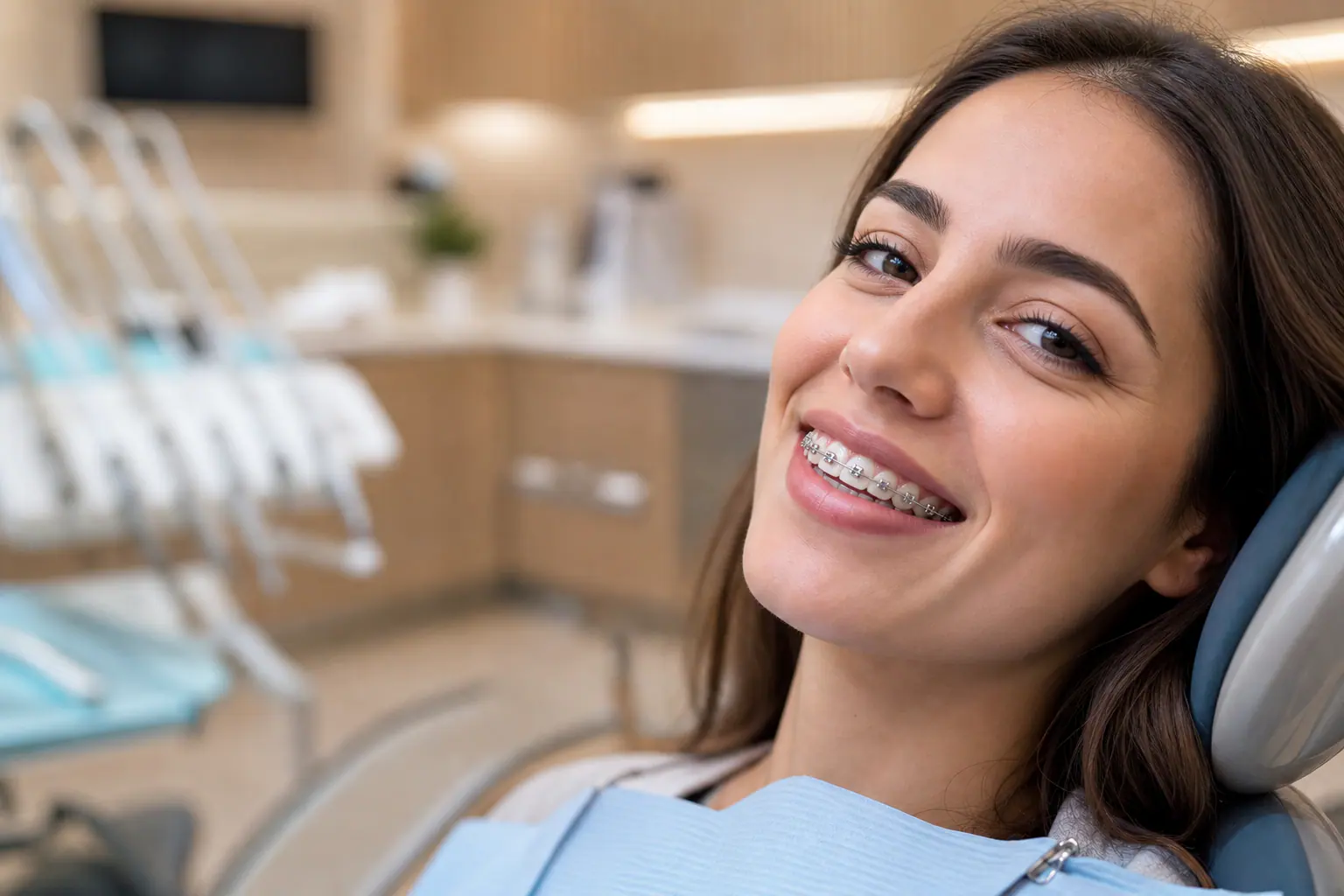
What is orthodontics?
Orthodontics is a branch of dentistry concerned with correcting the position of the teeth, the relationship of the jaws, and the occlusion. Orthodontics uses different devices to gradually move the teeth into a better position, whether using fixed brackets and wires, clear removable trays, or special devices for children, depending on the case.
Orthodontics is not the same plan for every person; Each case requires examination, pictures, x-rays when necessary, and occlusal analysis before choosing treatment.

When do you need braces?
- ● Crowded, overlapping or crooked teeth
- ● Gaps between teeth
- ● Eruption of front teeth
- ● Difficulty closing the lips due to protrusion
- ● Deep, open or reverse bite
- ● Difficulty chewing or biting
- ● Erosion of teeth due to malocclusion
- ● Difficulty in brushing teeth with floss
- ● Teeth restoration after previous braces
- ● Desire to arrange teeth before veneers or implants
- ● A child with permanent teeth that appear irregularly
An examination is the best way to know whether you need braces now, just follow-up, or another treatment before braces.
Are orthodontics only cosmetic?
- ● Make brushing teeth easier
- ● Reducing food accumulation between teeth
- ● Improve gum health
- ● Reduce unbalanced pressure on teeth
- ● Improve biting and chewing
- ● Reducing tooth wear caused by malocclusion
- ● Preparing teeth for cosmetic or restorative treatments in a better way
- ● Increase the patient’s confidence in smiling and speaking
Braces combine the health, functional and cosmetic aspects, and not just for appearance.
Types of orthodontics
Metal braces
Traditional fixed braces — practical and suitable for many moderate to severe cases.
Ceramic braces
Tooth-colored brackets — less noticeable than metallic ones with the same principle.
WantedClear Aligners
Transparent animated templates — less visible but requires a lot of commitment.
For childrenOrthodontics for children
Evaluation of tooth and jaw development — follow-up, early treatment, or comprehensive orthodontics later.
orthodontic treatment sticker
After the end of treatment - to maintain the result and prevent tooth recurrence.

Metal and Ceramic Braces
Metal and ceramic braces are among the most popular types of fixed braces. Brackets are placed on the teeth, then the doctor uses wires and elastics to gradually move the teeth.
- ● Crowding of teeth, gaps and protrusion
- ● Deep, open and reverse bite
- ● Crooked teeth and complex cases
- ● Orthodontics for children, adolescents and adults
Metal braces are clearer in appearance, but they are strong, practical, and suitable for many cases.
Ceramic braces are less visible because the brackets are close to the color of the teeth, but they require good hygiene.
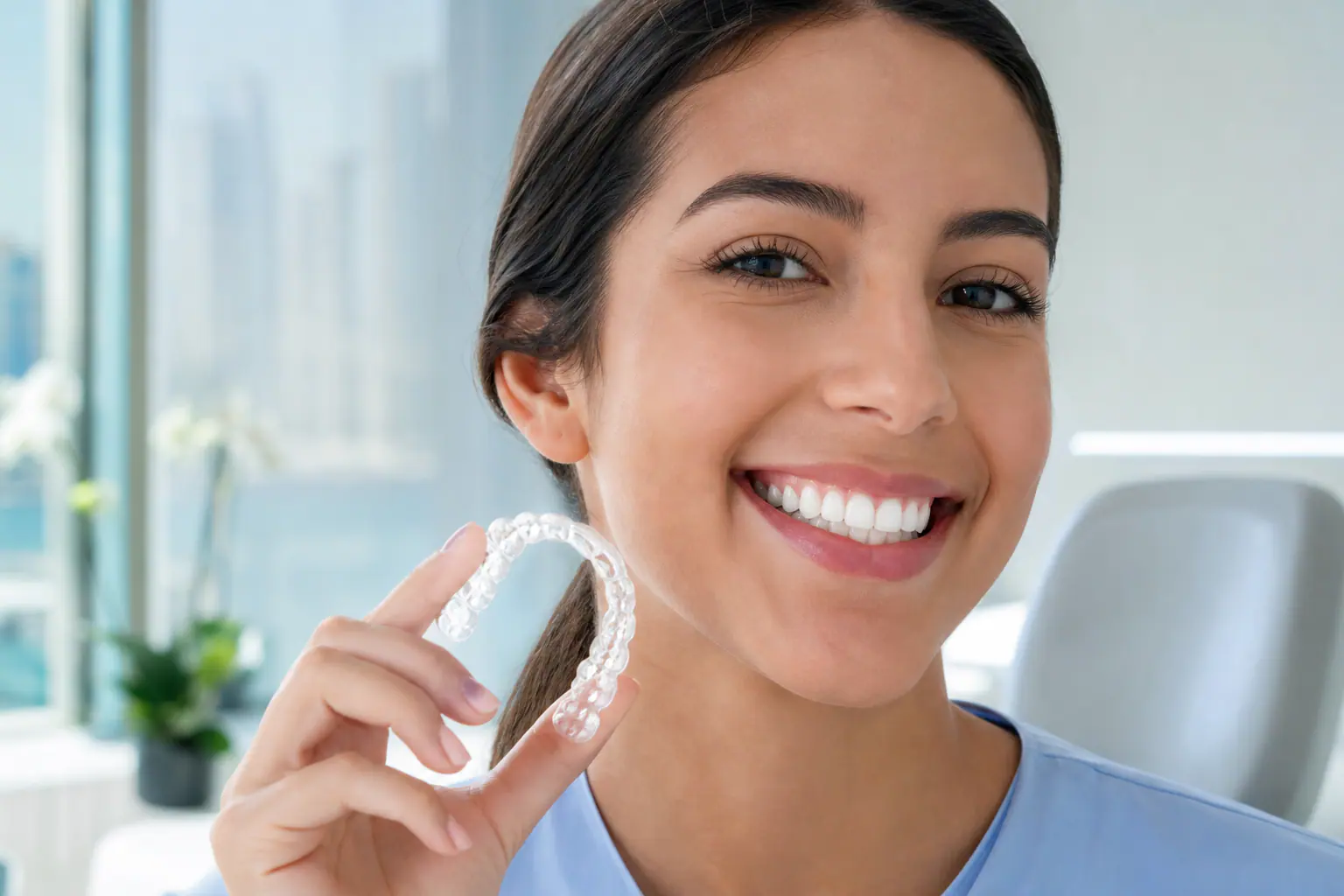
Clear Aligners
Clear aligners are a suitable option for patients who want a less visible treatment than fixed braces. A series of transparent molds are designed according to the condition of the teeth.
- ● Minor to moderate crowding
- ● Spaces between teeth
- ● Mild to moderate tooth eruption
- ● A simple return after a previous correction
- ● Arranging teeth before veneers
- ● Cooperative adults and adolescents
Clear braces are not suitable for all cases. Some cases require metal or ceramic braces for greater control.
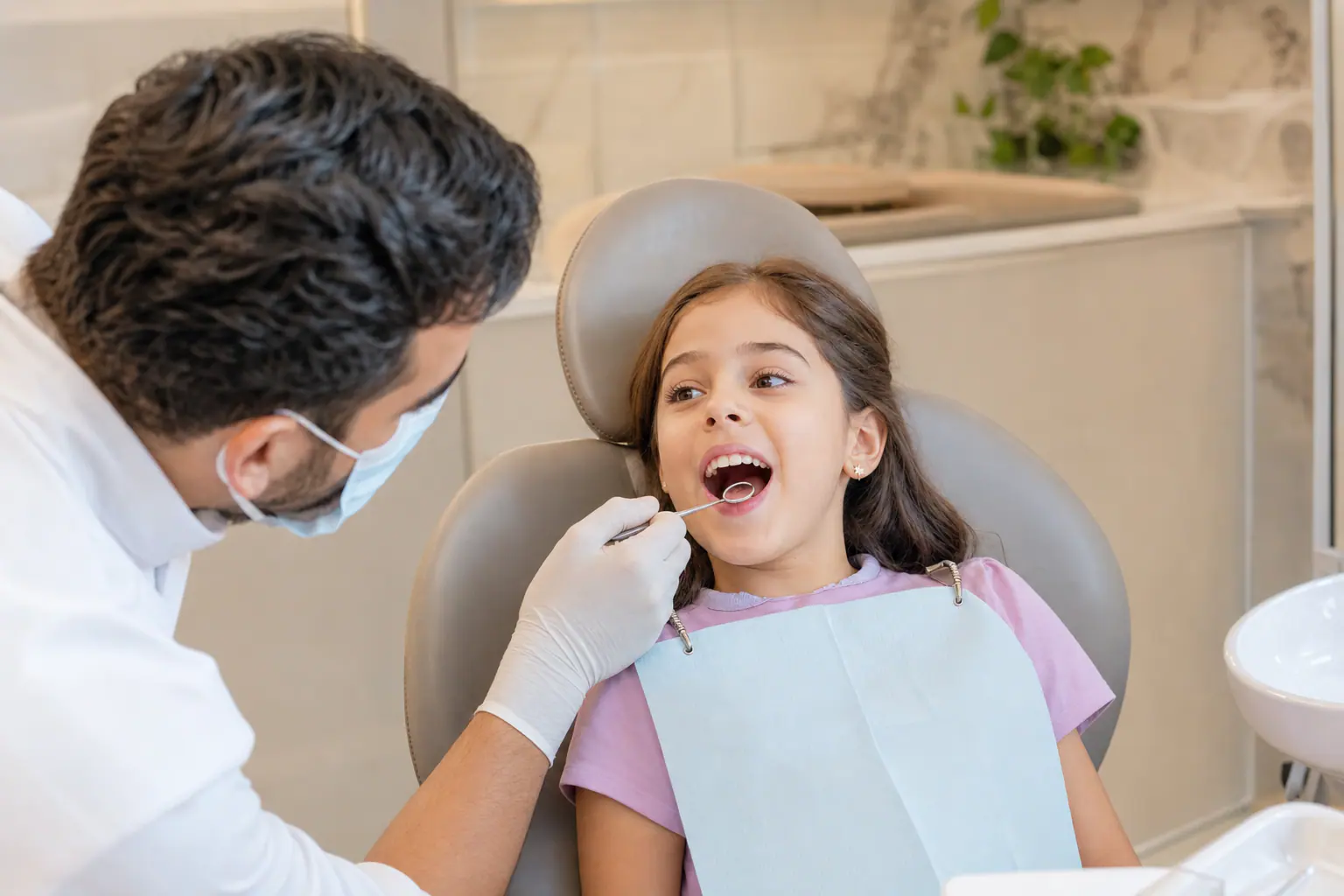
Orthodontics for children
Orthodontics for children does not always mean getting braces in the same visit. In many cases, the goal is to evaluate the development of teeth and jaws and monitor the stage of tooth replacement.
- ● Crowding in permanent teeth
- ● Protrusion, crossbite, open or deep bite
- ● Premature loss of a baby tooth
- ● Narrow upper jaw or out-of-line canines
- ● Mouth breathing or difficulty brushing
Early examination helps to know whether the child needs follow-up, a device, a distance keeper, early evaluation, or comprehensive evaluation later.
Orthodontics for adults
Adults can get orthodontics in many cases, provided that the gums, bone and teeth are in a condition that allows the teeth to move. Age alone is not a problem.
- ● Old crowding, voids or protrusions
- ● Return after a previous orthodontic treatment
- ● Uncomfortable bite or abrasion
- ● Arranging teeth before veneers or implants
- ● A desire to improve the smile in a healthy way
Some adults may choose ceramic or clear braces because they are less visible, but the best option will be determined after an examination.
Orthodontic treatments depending on the problem
Treating crowded teeth with orthodontics
Tooth crowding occurs when there is not enough room for the teeth within the jaw. It may affect the shape of the smile and make brushing teeth more difficult.
- ● Teeth arrangement
- ● Facilitating the use of floss
- ● Improved occlusion
- ● Preparing teeth for subsequent treatments
Related page: Check out the service
Treating gaps between teeth with orthodontics
Gaps between teeth may be due to the size of the jaw, small size of the teeth, the loss of a tooth, or the restoration of teeth after previous braces.
- ● Close the spaces
- ● Improve smile symmetry
- ● Regulate the distance before implantation or veneer
Related page: Check out the service
Treating protruding teeth with orthodontics
Tooth eruption often occurs when the upper front teeth are advanced further than normal.
- ● Reduce prominence
- ● Improve lip closure
- ● Reducing the risk of front tooth injuries
Related page: Check out the service
Open bite treatment
An open bite occurs when the upper and lower teeth do not meet when the mouth is closed, and most often occurs in the front teeth.
- ● Difficulty biting
- ● Space between teeth when biting
- ● It may be associated with habits such as thumb sucking or tongue thrusting
Related page: Check out the service
Deep bite treatment
A deep bite occurs when the upper teeth cover the lower teeth more than normal.
- ● Reduce excess overlap
- ● Reduce tooth wear
- ● Protecting gums from pressure
Related page: Check out the service
Crossbite treatment
A crossbite occurs when the lower teeth are in front of the upper teeth. In children, early evaluation is important.
- ● Difficulty biting
- ● Tooth erosion
- ● It may require early treatment in children
Related page: Check out the service
Orthodontic retainer after treatment
After the end of orthodontic treatment, an important stage begins, which is the orthodontic retainer. Teeth may move after treatment if they are not stabilized.
- ● Movable transparent stabilizer
- ● Fixed retainer behind the teeth
- ● A combination of the two types depending on the situation
Related page: Check out the service
Orthodontics before veneers or Hollywood smile
Some patients want veneers or a smile design, but have crowding, protrusion, or an improper bite. Orthodontics may be an important step before cosmetic surgery.
- ● Reducing the need to file teeth
- ● Improve tooth arrangement
- ● Improve the final result
Related page: Check out the service
Orthodontics before dental implants
In some cases, the patient needs braces before dental implants, especially if the adjacent teeth are tilted or the space is insufficient.
- ● Opening a suitable area for agriculture
- ● Adjusting the inclination of adjacent teeth
- ● Improving occlusion before implantation
Related page: Check out the service
Orthodontic treatment steps
Consultation and examination
Examining the teeth, gums, and occlusion and knowing the patient’s goal of treatment.
Pictures and x-rays
Evaluate the roots, bones, jaws and the degree of the problem when needed.
Case analysis
Determine the type of problem: crowding, gaps, protrusion, or occlusal problems.
Choose the orthodontic treatment type
Metal, ceramic, clear, or children's devices as the case may be.
Pre-orthodontic treatment
Cleaning, treating tooth decay or gums, or extraction when needed.
Start treatment
Installing the braces or delivering the clear trays or device.
Periodic follow-up
Regular reviews to monitor tooth movement and adjust the plan.
Termination of treatment
Remove the orthodontic treatment or finish the templates after reaching the result.
Installer
Install or deliver a fixative to maintain the result.
Follow up after the orthodontic treatment
Review the retainer and teeth to ensure the stability of the result.
Care guide and frequently asked questions during braces
How long does orthodontics take?
The duration of orthodontics varies depending on the severity of the condition, the type of braces, and the patient’s commitment. Simple cases may require less time, while complex cases may require more time.
- ● Degree of crowding or prominence
- ● Type of bite
- ● Patient’s age and type of braces
- ● Need for orthodontic extraction
- ● Adherence to deadlines, templates and elastics
- ● Gum and bone health
- ● Quality of teeth cleaning during treatment
The duration cannot be determined accurately without an examination, but the expected duration after diagnosis is explained.
Are braces painful?
Braces are not constantly painful, but they may cause temporary pressure or discomfort after placement or adjustment.
- ● Pressure on teeth
- ● Slight difficulty eating for the first days
- ● Friction from brackets
- ● Discomfort after tightening braces or changing trays
- ● Need for soft foods at first
These symptoms are often temporary. If the pain is severe or persistent, you should see a doctor.
Teeth cleaning during braces
Cleaning teeth during braces is very important, because fixed braces may increase food buildup around the brackets, and clear trays may trap bacteria if worn over unclean teeth.
- ● Brushing teeth after meals
- ● Use a suitable brush for braces
- ● Use floss or orthodontic cleaning tools
- ● Clean clear molds daily
- ● Reduce sugar and sweetened drinks
- ● Watch for white spots around the blockers
Good cleaning protects teeth and gums throughout the orthodontic journey. Check out the service
Eating with braces
If you are using fixed braces, you should avoid foods that may break the brackets or bend the wires. As for the clear braces, they are removed when eating.
- ● Gum and sticky sweets
- ● Hard nuts and ice
- ● Bite whole apples or carrots
- ● Opening objects with teeth
Most foods can be eaten by cutting them into small pieces and choosing soft foods after modification.
What do I do if the braces break?
A bracket may break, a wire may come out, or a clear cast may be lost. Do not try to fix the problem yourself in a way that may hurt the mouth.
- ● A broken bracket or wire injures the mouth
- ● Loss of transparent cast
- ● The mold does not fit well
- ● The orthodontic retainer breaks
Using orthodontic wax may help temporarily, but an appointment must be made to fix the problem.
Do braces cause tooth decay?
Braces themselves do not cause cavities, but poor tooth cleaning during braces may lead to plaque accumulation, white spots, and cavities.
- ● Brush teeth well daily
- ● Reduce sugars
- ● Do not leave food stuck around the braces
- ● Commit to regular cleaning in the clinic
The goal is to end your orthodontic journey with tidy and healthy teeth at the same time.
Are braces suitable with fillings or crowns?
Yes, braces with fillings or crowns can be done in many cases, but the teeth and restorations must be evaluated before starting.
- ● Safety of fillings and crowns
- ● Gum health
- ● Having dental implants
- ● Tooth wear and occlusal stress
If you have implants, the implant does not move like natural teeth and that goes into the planning.
Does braces require teeth extraction?
Not always. Many cases of braces do not require extraction, but in some cases of severe crowding or significant protrusion, extraction may be part of the plan.
- ● Severe crowding
- ● Clear prominence
- ● Huge lack of space
- ● Difficulty closing the lips due to protrusion
The decision to extract is made only after orthodontic analysis, photographs, x-rays, and a clear explanation to the patient.
Does the arrangement of the teeth return after braces?
Teeth may move after braces if the patient does not use a retainer. This does not mean that the braces have failed, but rather because the teeth change over time.
- ● Wear the retainer according to the doctor’s instructions
- ● Review the stabilizer if it is broken or lost
- ● Do not stop the stabilizer without asking the doctor
- ● Follow any early movement
A fixative is necessary after treatment to maintain the result. Check out the service
Common mistakes during orthodontics
- ● Neglecting to brush your teeth
- ● Eat hard foods with fixed braces
- ● Not wearing transparent molds for long enough
- ● Do not use elastics according to the instructions
- ● Postpone appointments
- ● Not treating cavities or gums before braces
- ● Choose the type of orthodontic treatment based on the shape only
- ● Do not use a retainer after treatment
- ● Comparing the situation with the situation of another person
The success of the braces depends on the doctor and the patient together.
Orthodontics in Al Shamkha - Abu Dhabi
If you are looking for orthodontics in Abu Dhabi, AHLI Specialists Medical Center in Al Shamkha offers a comprehensive orthodontic evaluation for children, teenagers and adults.
We help you know whether metal braces, ceramic braces, clear braces, children's braces, retainers, or another plan is most appropriate for your condition, depending on the diagnosis.
- 📍 Al Qayed Street, Al Shamkha, Abu Dhabi
- 📞 02-448-7553
Why choose AHLI Specialists Medical Center?
- ✓ A comprehensive dental and occlusal evaluation before orthodontics
- ✓ Multiple options: metal, ceramic, clear, and children's braces
- ✓ Treating crowded teeth, gaps, protrusion, and bite problems
- ✓ Check the health of your gums and teeth before treatment
- ✓ A clear explanation of the plan and expected duration
- ✓ Detailed cleaning instructions during straightening
- ✓ Periodic follow-up of tooth movement
- ✓ Sticky plan after orthodontic treatment ends
- ✓ Connecting braces with cleaning, veneers, and implants when needed
- ✓ Location close to Al Shamkha, Baniyas, Al Falah and Shakhbout
- ✓ A quiet medical environment suitable for families
Orthodontic related services
Metal and Ceramic Braces
Fixed braces to treat crowding, gaps, protrusion and occlusal problems.
Clear Aligners
Transparent molds to treat some cases of crowding, voids and protrusions.
Orthodontics for children
Early assessment of tooth and jaw development in children and adolescents.
orthodontic treatment sticker
The stage of maintaining the orthodontic results after the end of treatment.
Treatment of crowded teeth
Arrangement of overlapping or involute teeth.
Treating gaps between teeth
Closing or regulating spaces between teeth.
Protruding teeth treatment
Straightening protruding front teeth and improving occlusion.
Open bite treatment
Correction of non-contact of teeth when the mouth is closed.
Deep bite treatment
Treatment of excessive overlap of the upper teeth over the lower ones.
Crossbite treatment
Correcting the advancement of the lower teeth or the relationship of the jaws.
Teeth cleaning
Important before and during braces to maintain healthy teeth and gums.
Pediatric dentistry
It is important for treating cavities and following up on teeth before orthodontics for children.
Dental Veneers
It may be an option after braces to improve color and shape.
Dental implants
Some cases may need a orthodontic treatment to regulate the distances before planting.
When do I book an orthodontic consultation?
The first step is a comprehensive orthodontic examination to determine the problem and the appropriate type of orthodontics.
AHLI Specialists Medical Center - Al Shamkha, Abu Dhabi
For reservations and inquiries: 02-448-7553
Location: Al Qayed Street, Al Shamkha, Abu Dhabi
Short answers
What is orthodontics?
Orthodontics is a treatment that corrects tooth alignment and occlusal problems using metal or ceramic braces or clear trays to improve the smile, bite, and clean teeth.
When do I need braces?
You may need braces if you have crowding, gaps, protrusion, a deep, open or crossbite, or difficulty brushing teeth due to irregularity.
What is the best type of braces?
The best type depends on the situation. Metallic is suitable for many cases, ceramic is less noticeable, and transparent is suitable for some simple and moderate cases with good adherence.
Can orthodontics be done for adults?
Yes, adults can get braces in many cases if the gums, bone and teeth are in appropriate condition.
Where can I find orthodontics in Abu Dhabi?
Orthodontic consultation can be booked at AHLI Specialists Medical Center in Al Shamkha - Abu Dhabi.
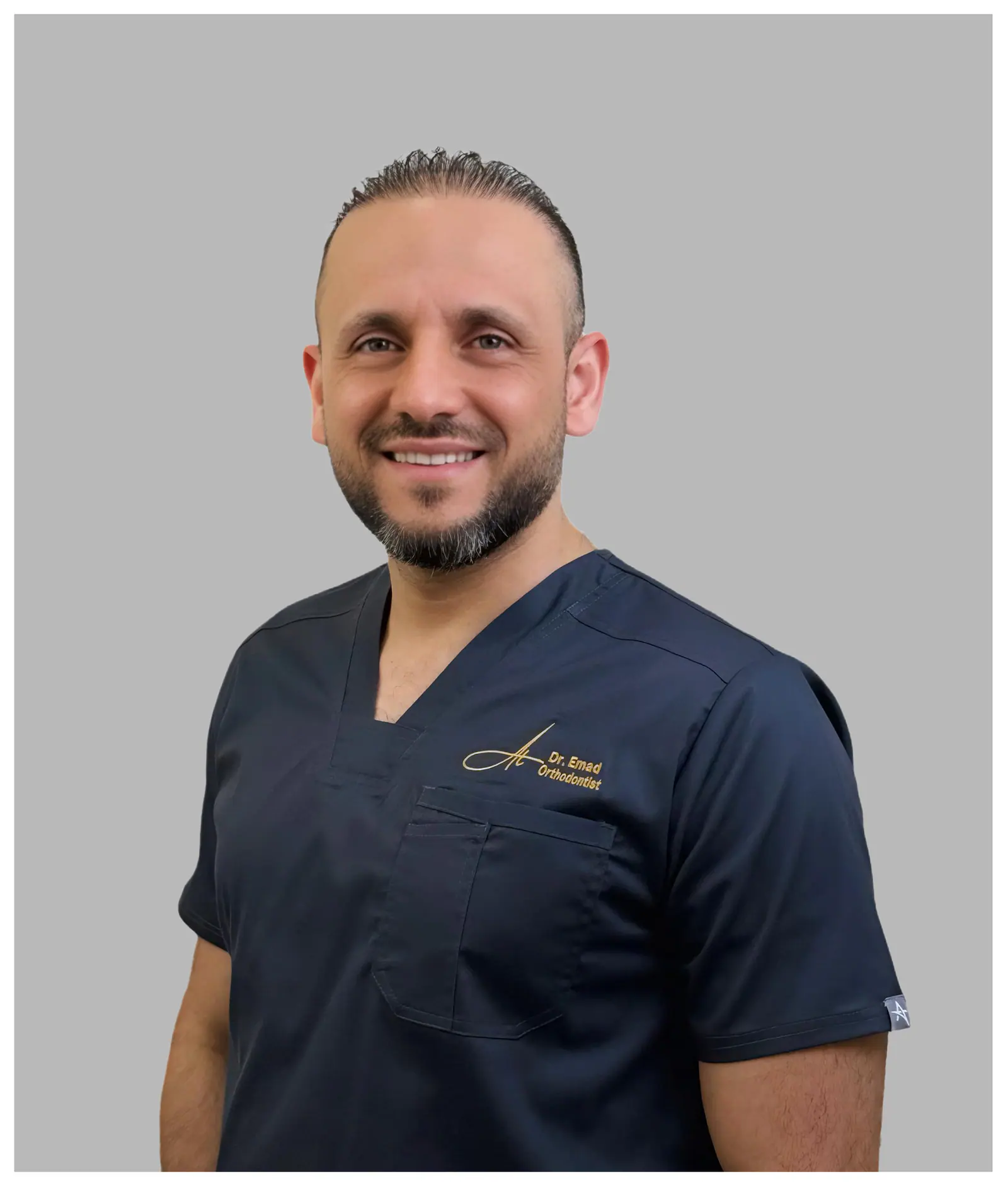
Orthodontists

Related dental services
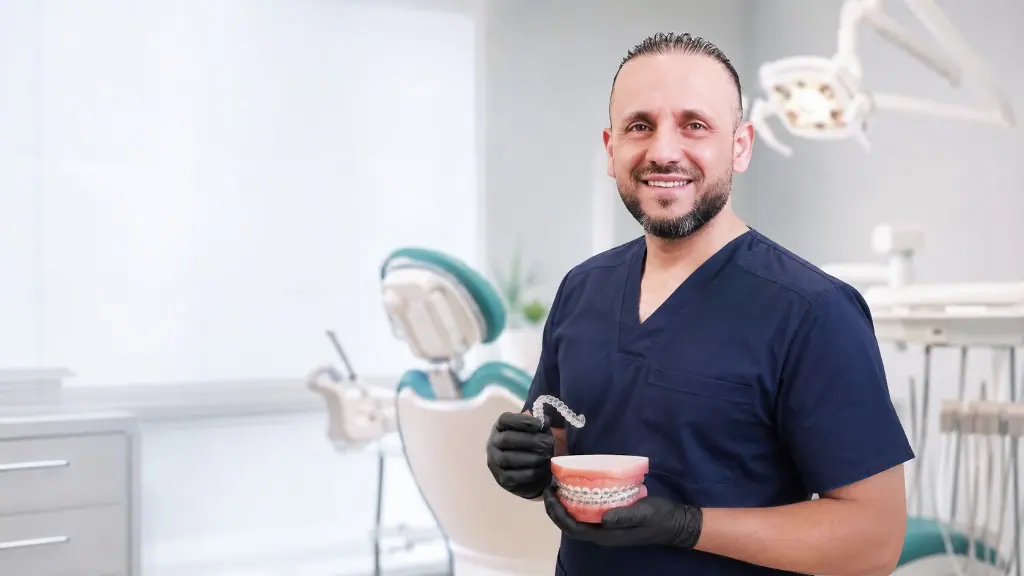
Orthodontics
Advanced braces for children and adults in Al Shamkha Abu Dhabi — metal, clear Invisalign, and protective braces for children.
Learn more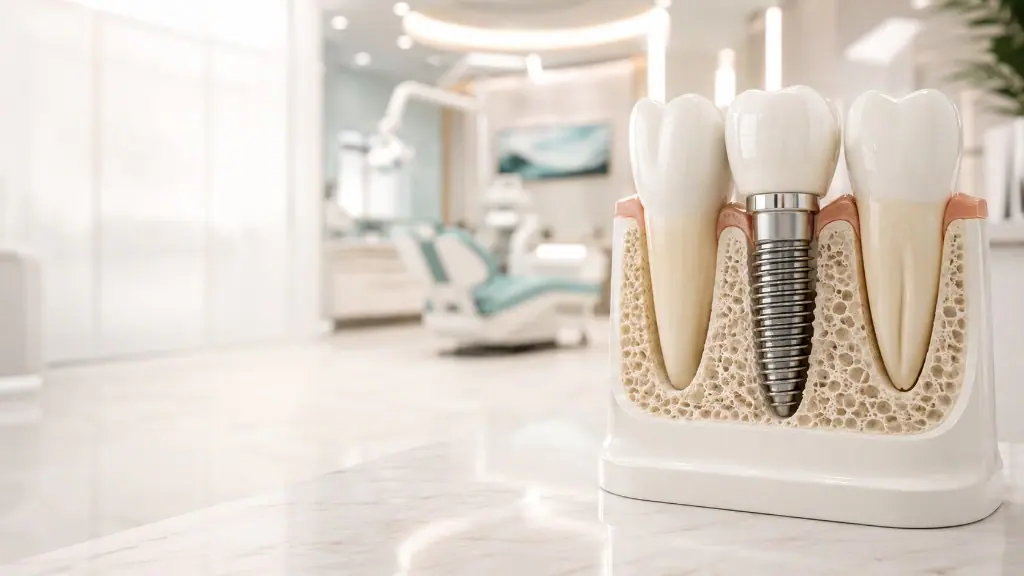
Dental implants
Safe and durable dental implants using modern techniques to restore the smile and natural function of the teeth.
Learn more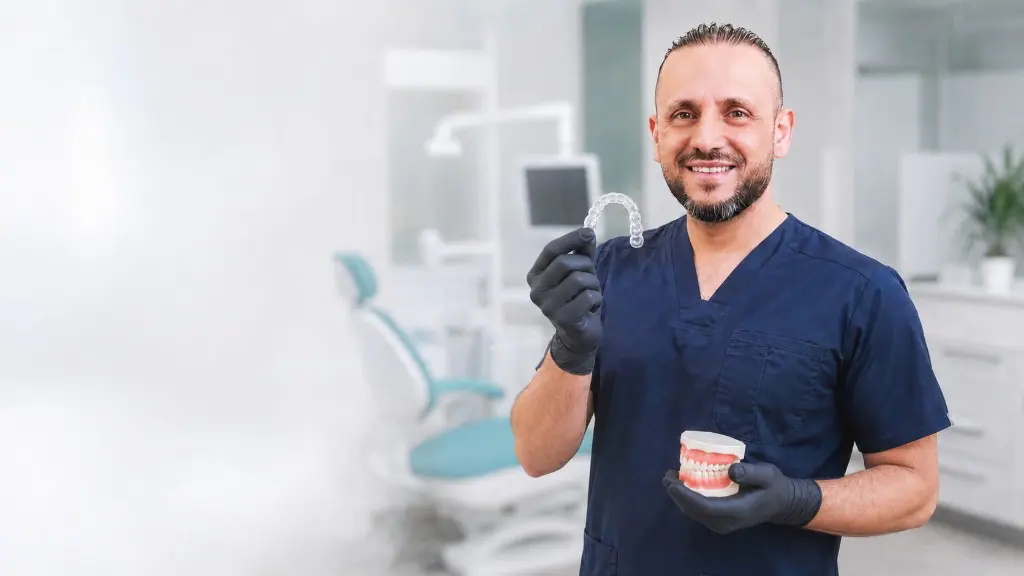
Invisalign — clear aligners
Invisalign clear aligners in Al Shamkha Abu Dhabi — Invisible aligners for teens and adults with 3D digital simulation.
Learn more
Pediatric dentistry
Specialized dental care for children in a comfortable and friendly environment, with an emphasis on prevention and education.
Learn moreFrequently asked questions about orthodontics
Are braces painful?
How long does orthodontics last?
Are clear braces suitable for everyone?
What is the difference between metal and ceramic braces?
Can crowded teeth be treated with braces?
Can gaps between teeth be treated with braces?
Does protruding teeth require braces?
Do braces need to be removed?
Is it possible to make a orthodontic treatment for children?
Do braces cause cavities?
Do I need to clean my teeth before braces?
Can braces be done before veneer?
Is it possible to make an orthodontic procedure before transplantation?
Do teeth come back after braces?
Is a orthodontic treatment installer necessary?
Book an orthodontic consultation
A comprehensive dental and occlusal evaluation with an explanation of the appropriate options for your condition and the expected duration of treatment.